Organic Food
Organic Food
Organic food is food produced according to organic standards, which means crops grown without the use of conventional pesticides, as well as artificial fertilizers or sewage sludge, animals reared without the routine use of antibiotics and without the use of growth hormones and food processed without ionizing radiation and without the use of a wide range of food additives. It is produced on all levels without the use of genetically modified organisms.
Historically, these farms have been small family-run farms. Once only available in small stores or farmers\\\' markets, organic foods are becoming much more widely available. Organic food sales within the US have enjoyed 17 to 20 percent growth for the past few years while sales of conventional food - while still larger in size - have grown at only about 2 to 3 percent a year. There is evidence that organic farms are more sustainable and environmentally sound, among other benefits.
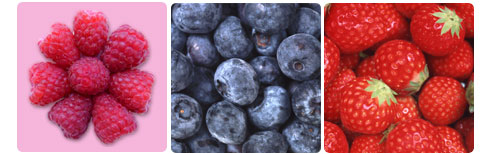
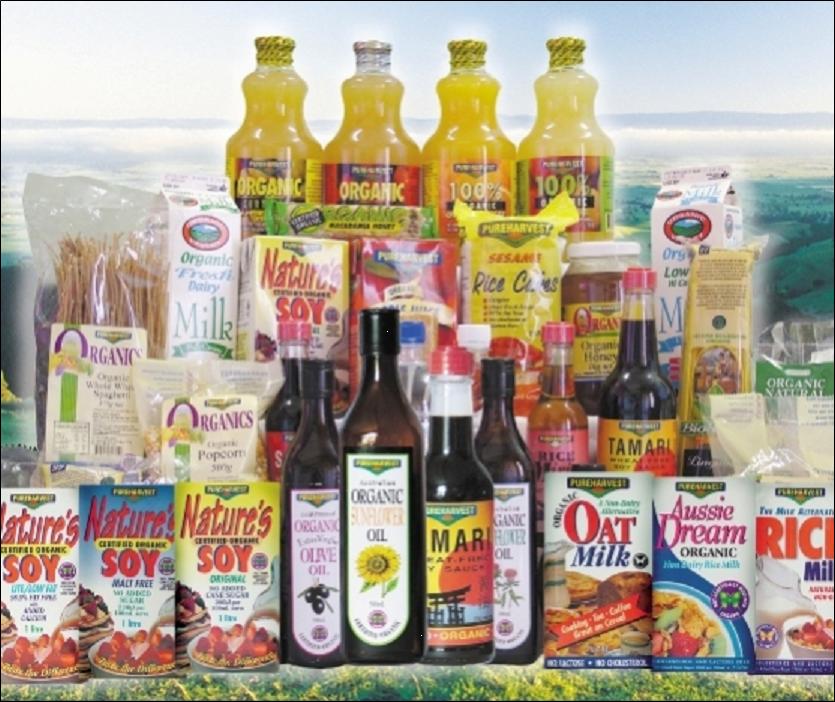
BCM has an organic team which is dedicated to enhance the variety, appeal of the organic market with an extensive range of product from Fresh produce – berries, salads, grapes; Meat products – beef, chicken, fish; Grocery like dried fruits, soups, tea to Non-food items like shampoo, soaps and many more new exciting items. With our new Organics range we are able to supply a fantastic variety of organic produce from our suppliers that we are able to guarantee as truly organic.
10 Reasons to go Organic
1.
Organic produce is not covered in a cocktail of poisonous chemicals. The average conventionally-grown apple has 20-30 artificial poisons on its skin, even after rinsing. Trust your instincts, and go organic!
2.
Fresh organic produce contains on average 50% more vitamins, minerals, enzymes and other micro-nutrients than intensively farmed produce. Science says that it’s good for you.
3.
Going organic is the only practical way to avoid eating genetically modified (GM) food. And by buying organic food, you are registering your mistrust of GMO’s and doing your bit to protest against them.
4.
If you eat dairy or meat products, going organic has never been more essential to safeguard you and your family’s health. Intensively-reared dairy cows and farm animals are fed a dangerous cocktail of anti-biotics, growth promoting drugs, anti-parasite drugs and many other medicines on a daily basis, whether they have an illness or not. These drugs are passed directly onto the consumers of their dairy produce or meat, which must be a contributing factor to meat-related diseases like coronaries and high blood pressure.
5.
About 99% of non-organic farm animals in the UK are now fed GM soya. And there has never been a reported case of BSE in organic cattle in the UK. Common sense says that organic is safe food.
6.
Organic produce simply tastes so much better. Fruit and vegetables full of juice and flavour, and so many different varieties to try! There are about 100 different kinds of organic potatoes in production in the UK, and that’s just potatoes!
7.
Organic farms support and nurture our beautiful and diverse wildlife. Over the last thirty years, intensive farming in the UK has led to dramatic erosion of the soil, a fall of up to 70% of wild birds in some areas, the destruction of ancient hedgerows, and the near extinction of some of the most beautiful species of butterflies, frogs, grass-snakes and wild mammals.
8.
Organic food is not really more expensive than intensively farmed foods, as we pay for conventional foods through our taxes. We spend billion of pounds every year cleaning up the mess that agro-chemicals make to our natural water supply. And the BSE crisis cost us 4 billion pounds. Go organic for a genuine more cost-effective future.
9.
Intensive farming can seriously damage farm workers’ health. There are much higher instances of cancer, respiratory problems and other major diseases in farm workers from non-organic farms. This is particularly true in developing countries, and for agrochemical farms growing cotton. So go organic if you care about other people.